Room for conversations

Case
As part of the Municipality of Örnsköldsvik’s urban development initiative Stadsdel 2030, new neighborhoods are being planned in Vegakvarteren and Lugnviksstrand.
To support the development process, the municipality wanted to explore how culture, creative industries and civil society could become active contributors in shaping the future of the area.
The challenge was to create meaningful ways for people to engage with a place that is still in transition – and to establish a shared starting point for future dialogue, collaboration and activation.
.JPG)

What we did
Working alongside the municipality’s planning team, we developed a placemaking approach centered around participation, creativity and relationship-building.
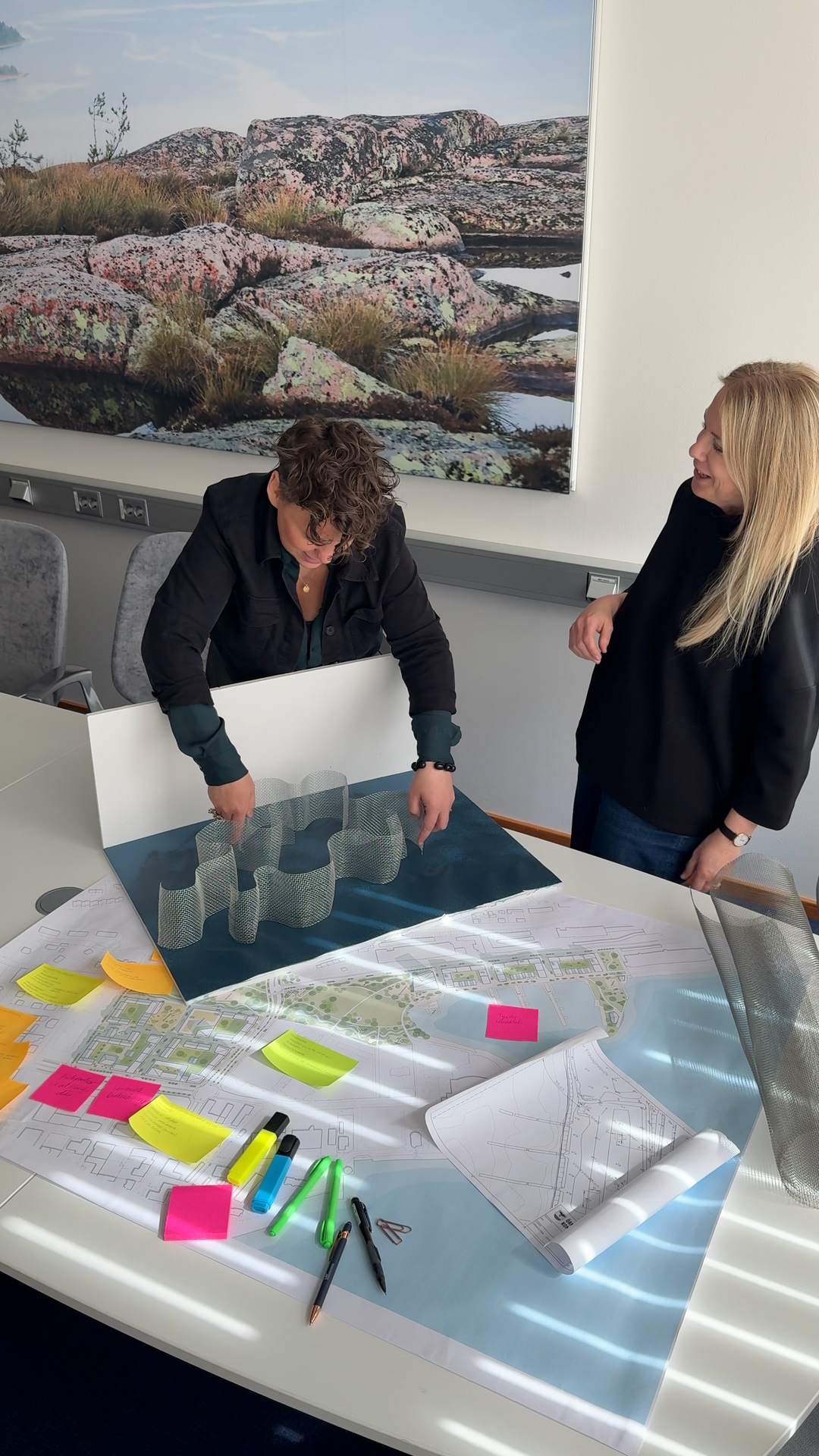
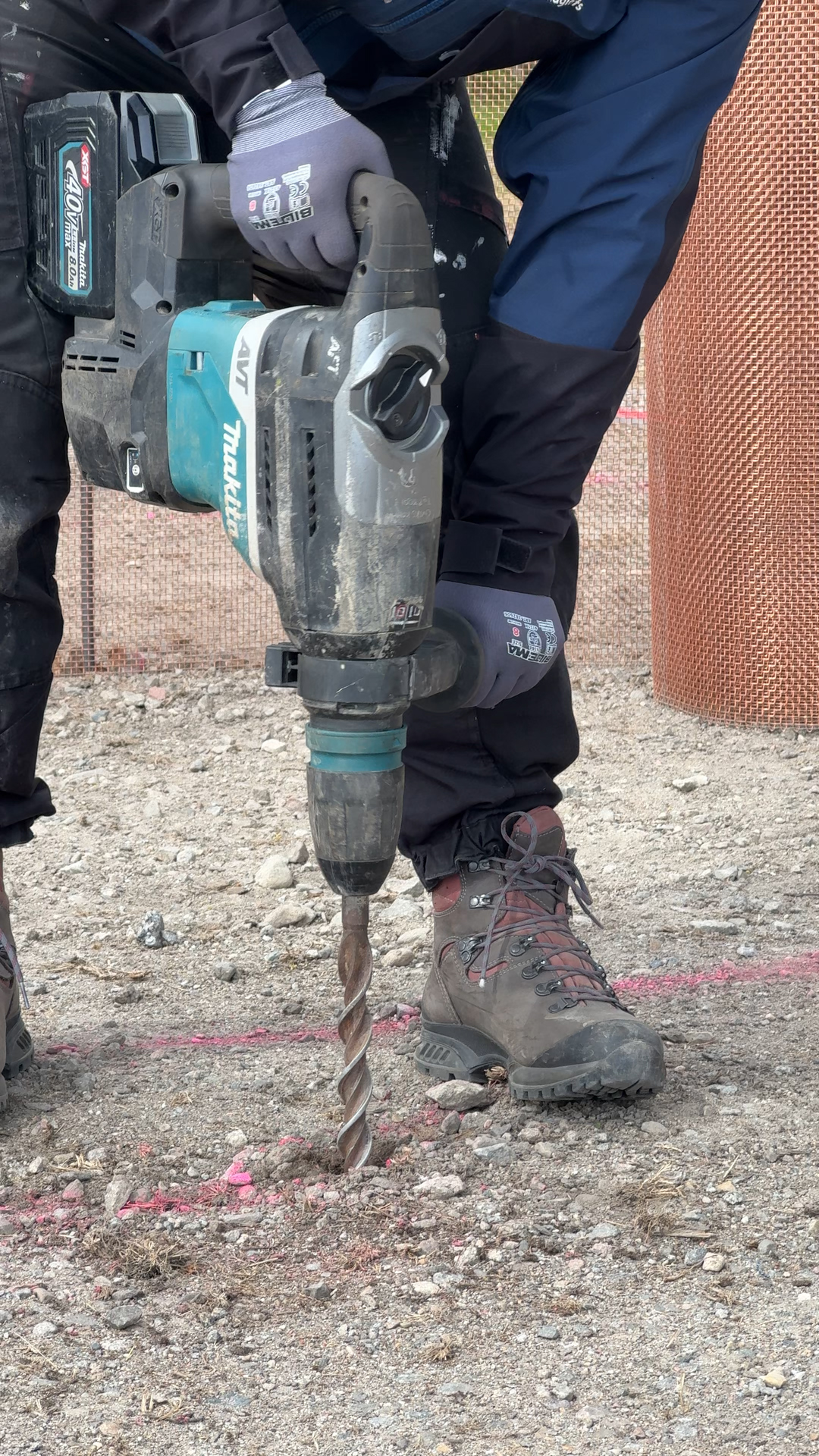
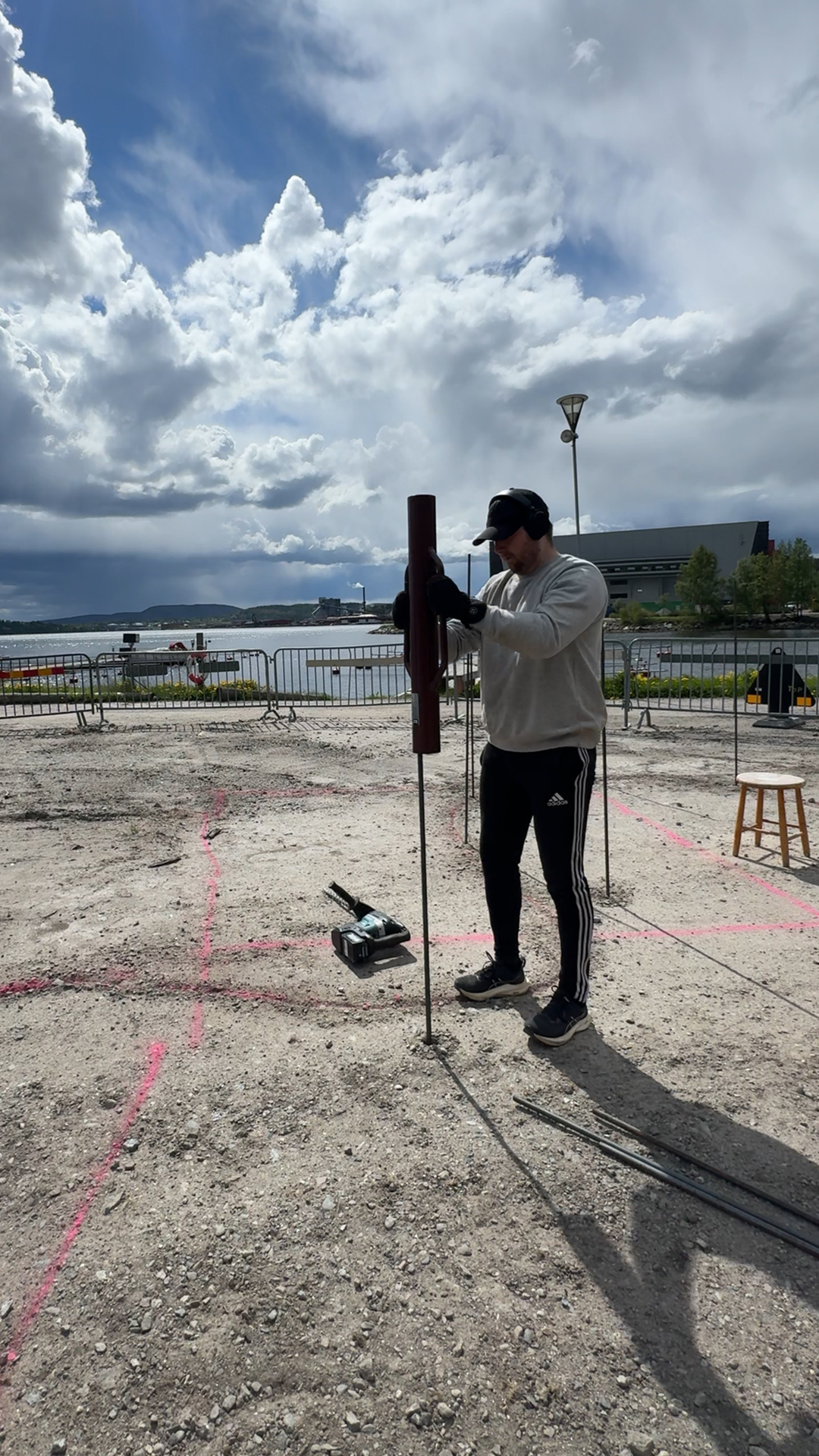
As a first prototype, we created Room for Conversations – a spatial installation constructed from mesh structures and placed in the heart of Lugnviksstrand.
Designed as a room without doors or a roof, the installation functioned as both a landmark and a gathering place. It provided a physical setting for dialogue, workshops and informal conversations while signaling that the area is entering a new phase of development.
The project combined artistic practice, design thinking and participatory methods. Through sketches, prototyping and testing, the installation evolved into a tool for engagement rather than a traditional artwork.
The space was activated through workshops and dialogue sessions, bringing together artists, architects, innovators, engineers, musicians, entrepreneurs and local stakeholders to explore the future potential of the site.
The outcome
Room for Conversations transformed an undefined space into a destination for participation.
The installation attracted curiosity, encouraged interaction and helped create new connections between people from different disciplines and sectors.
More importantly, it established a physical platform for ongoing dialogue and co-creation, allowing ideas, relationships and future initiatives to emerge in a tangible setting.
The project demonstrated how temporary artistic interventions can strengthen placemaking processes, support community engagement and create momentum in early-stage urban development.
By giving conversations a physical form, Room for Conversations became the first manifestation of a collaborative vision for the future of Vegakvarteren and Lugnviksstrand.